
A competitive UX analysis examining how retail experience patterns shape trust, decision-making, and purchase confidence.
Role
UX Researcher — competitive analysis & synthesis
Scope
Desktop & mobile retail experiences
Executive Summary
Context & User
• Electronics purchases involve high financial risk, delivery concerns, and return anxiety. Users require clear system feedback and trust signals throughout the decision-making process.
▸ Primary user
• Budget-conscious buyer
• Purchasing electronics online with home delivery
• Prioritizes reliability, clarity, and risk reduction
PRODUCT CONTEXT
Buying expensive electronics involves high financial risk and uncertainty around delivery and returns. Users rely on clear product information and strong trust signals before committing to a purchase.
PROJECT GOAL
Identify usability gaps in the online electronics purchasing experience and improve how users find key information about product reliability, delivery, and return policies.
Research Scope & Method
▸ This analysis focuses on:
• Homepage and product discovery
• Account sign-in and purchase flows
• Checkout and post-purchase reassurance
• Information architecture and visual hierarchy
▸ Methods used:
• Heuristic evaluation
• User flow mapping
• Information architecture analysis
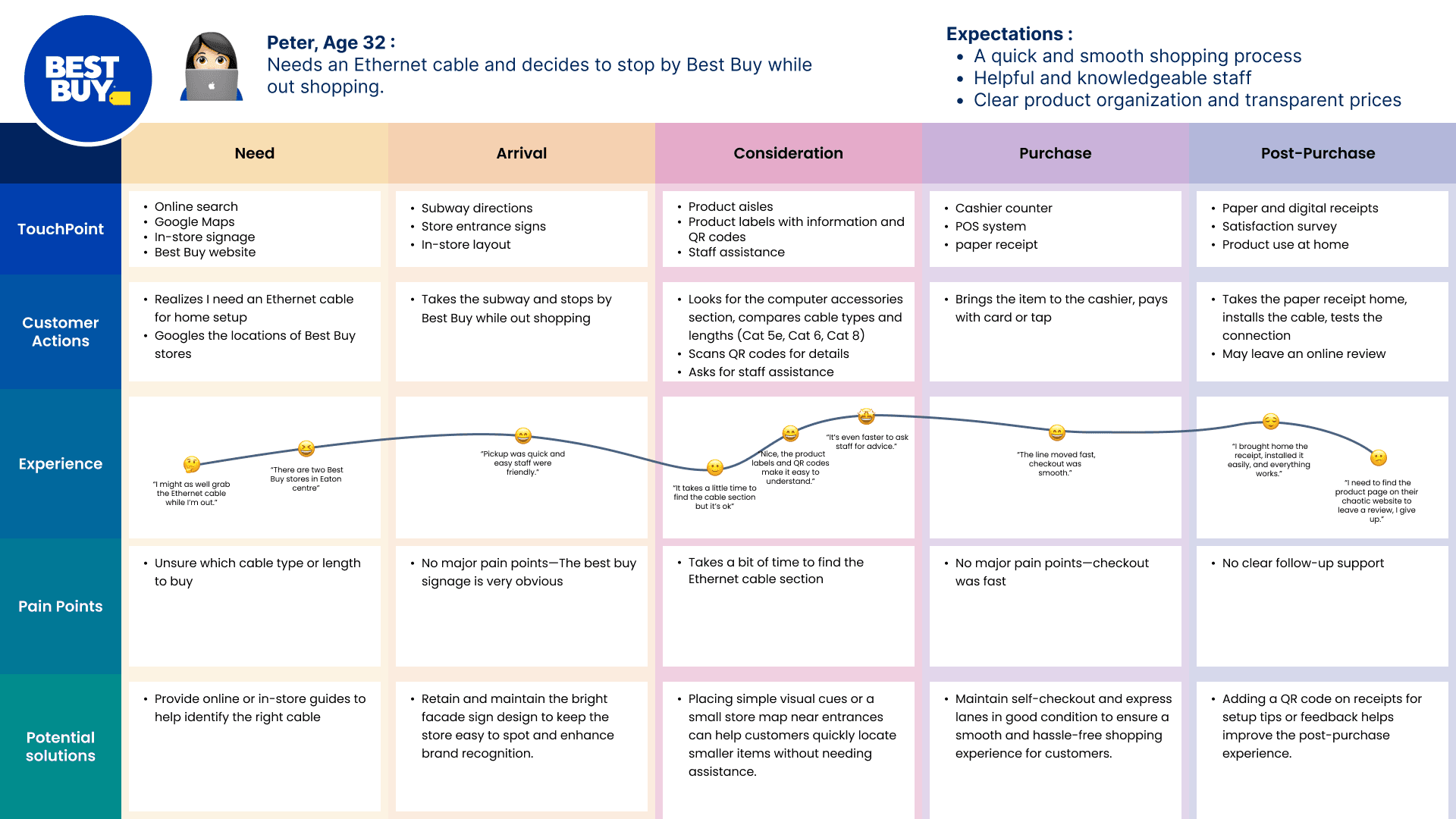
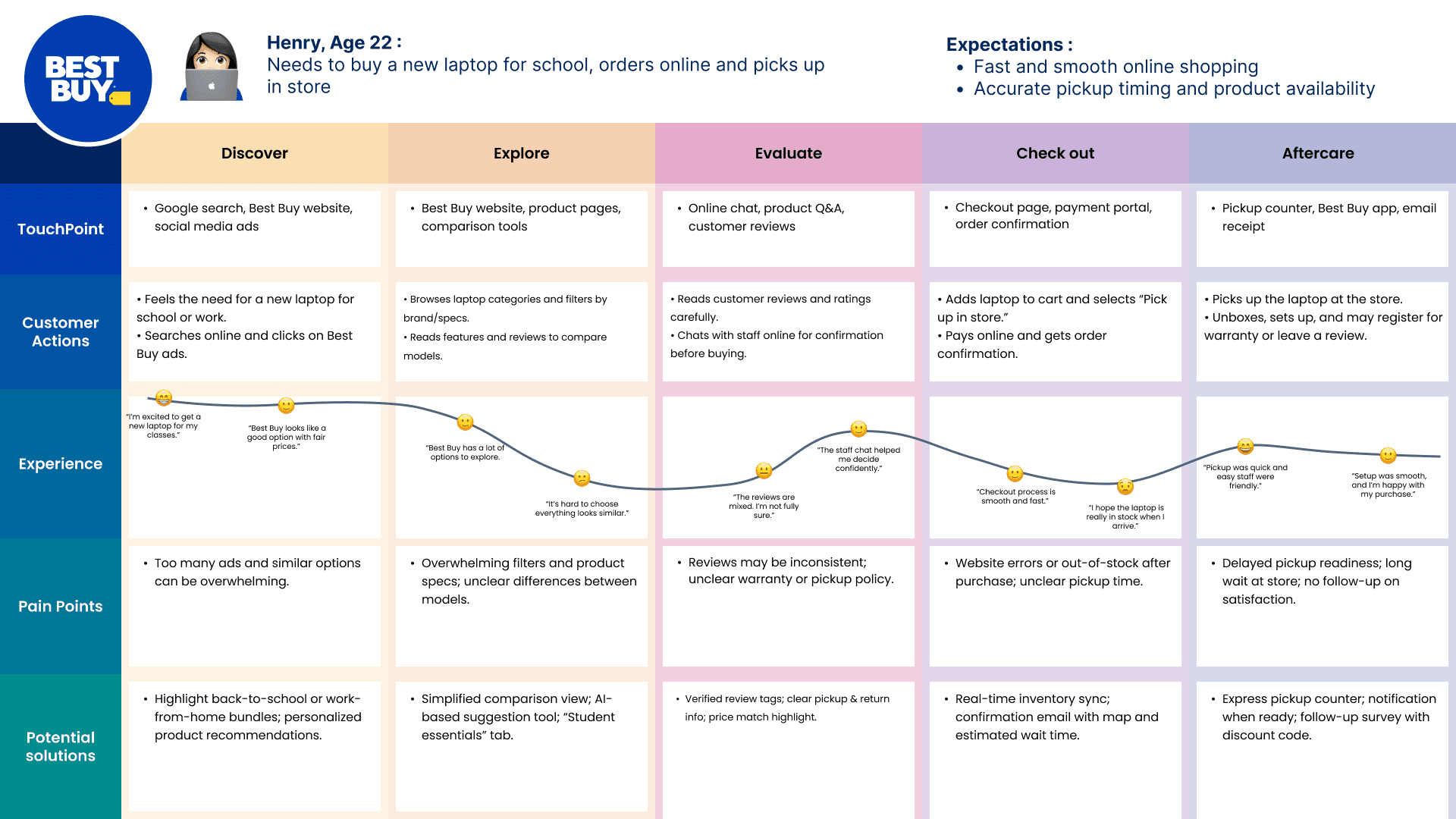
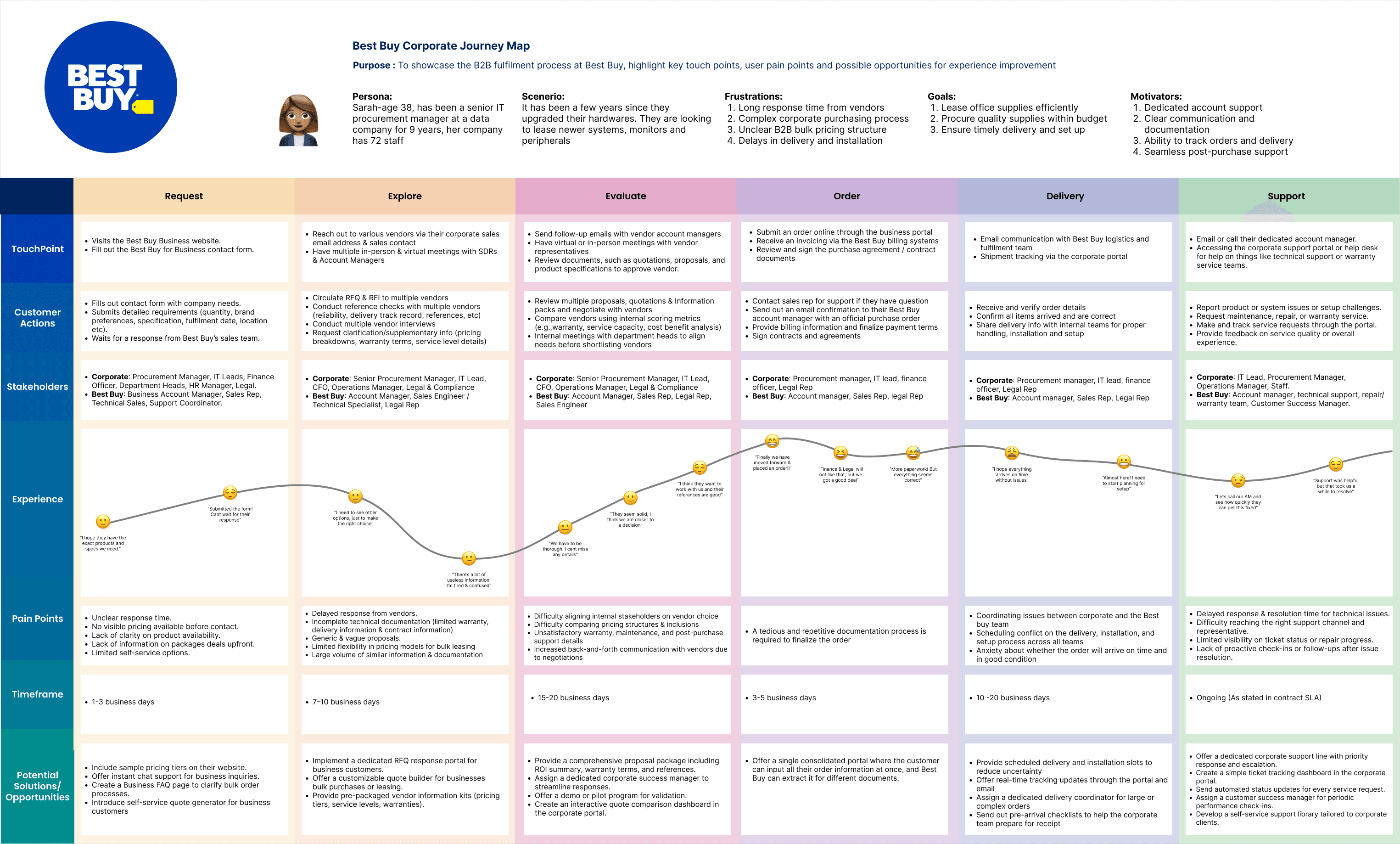
• Journey mapping
User flow
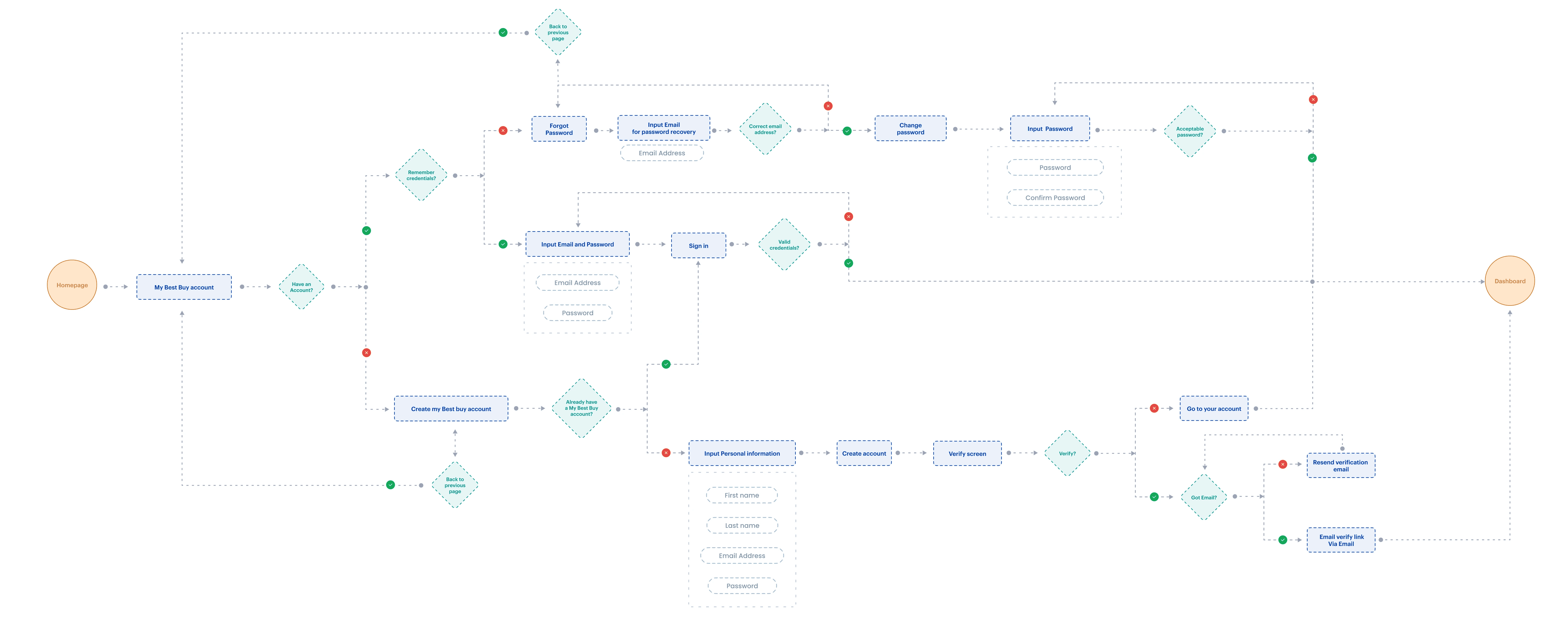
User Flow 1 — User Sign-In Journey:
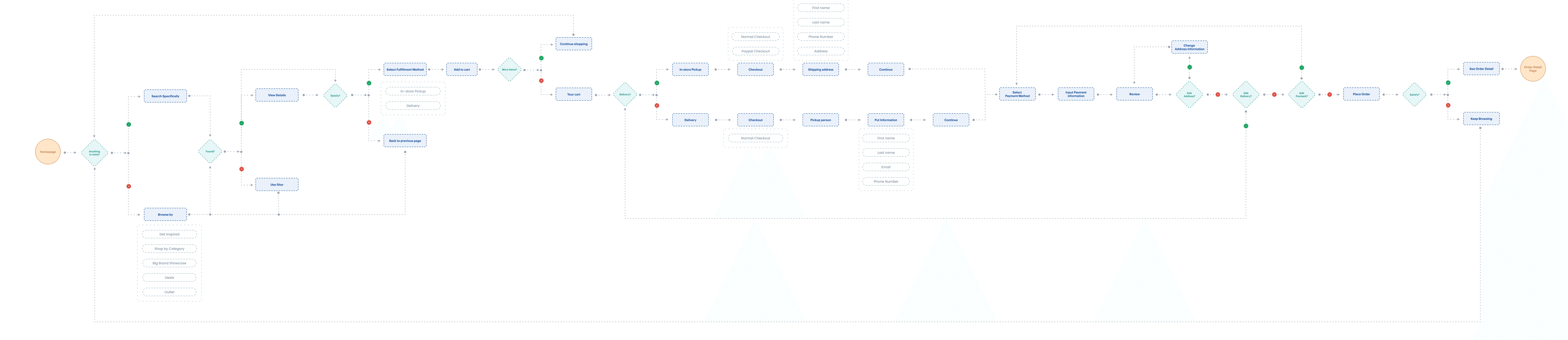
User Flow 2 — Product Purchase Journey:
Service Blueprint
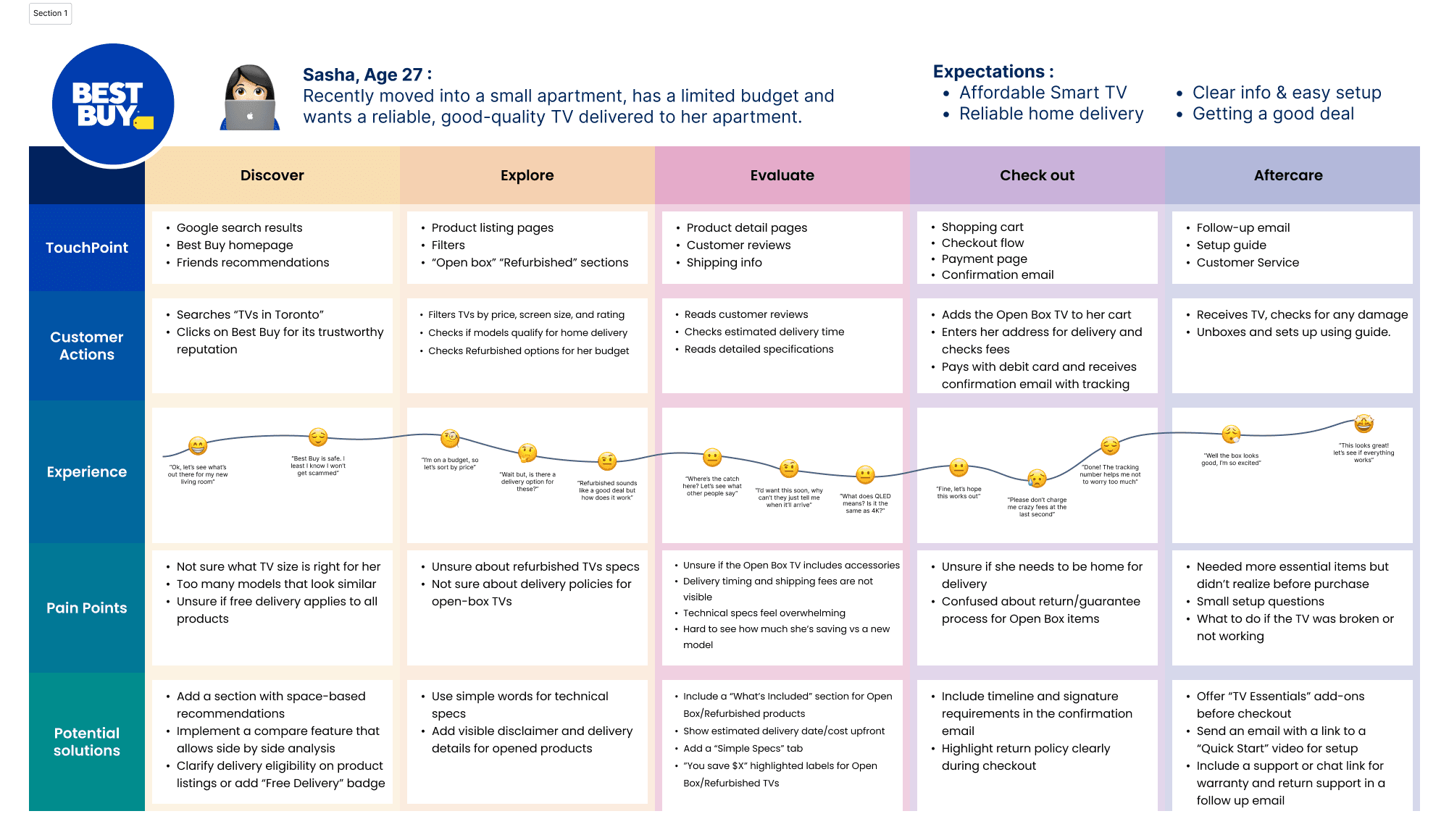
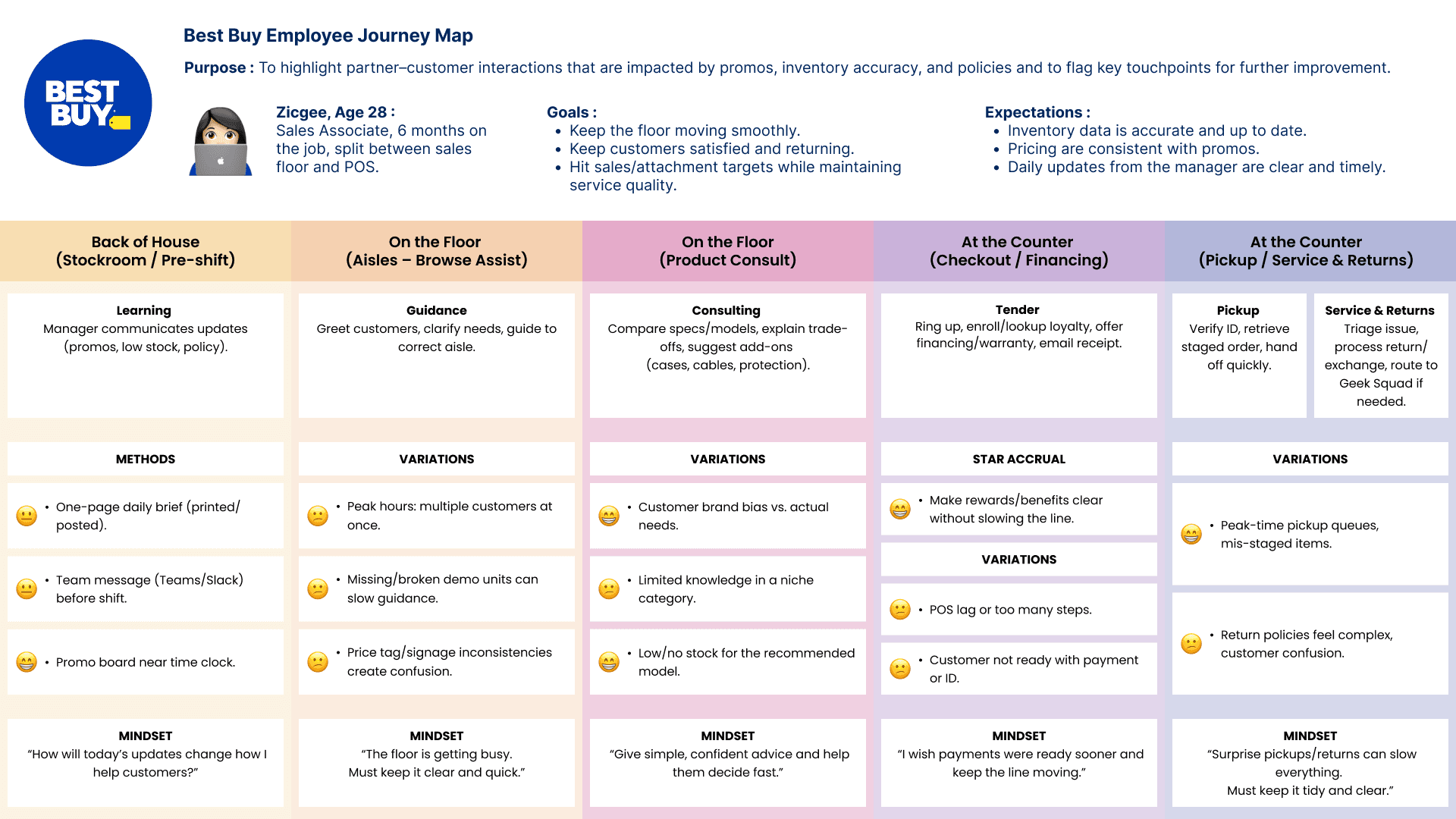
This service blueprint maps how the user experience is supported across different touchpoints, including digital platforms, physical interactions, and internal operational processes.
5. B2B:
Key Findings
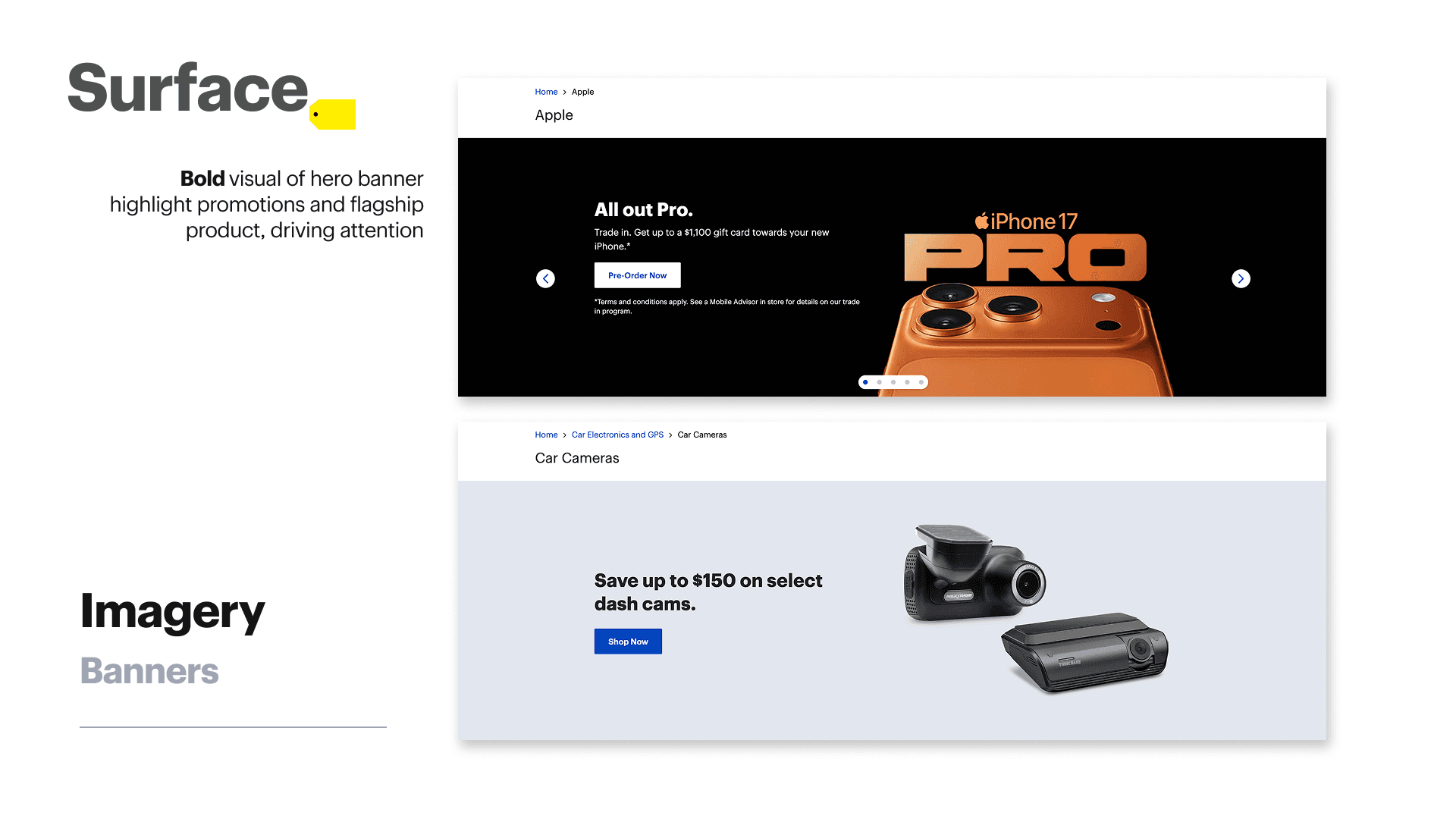
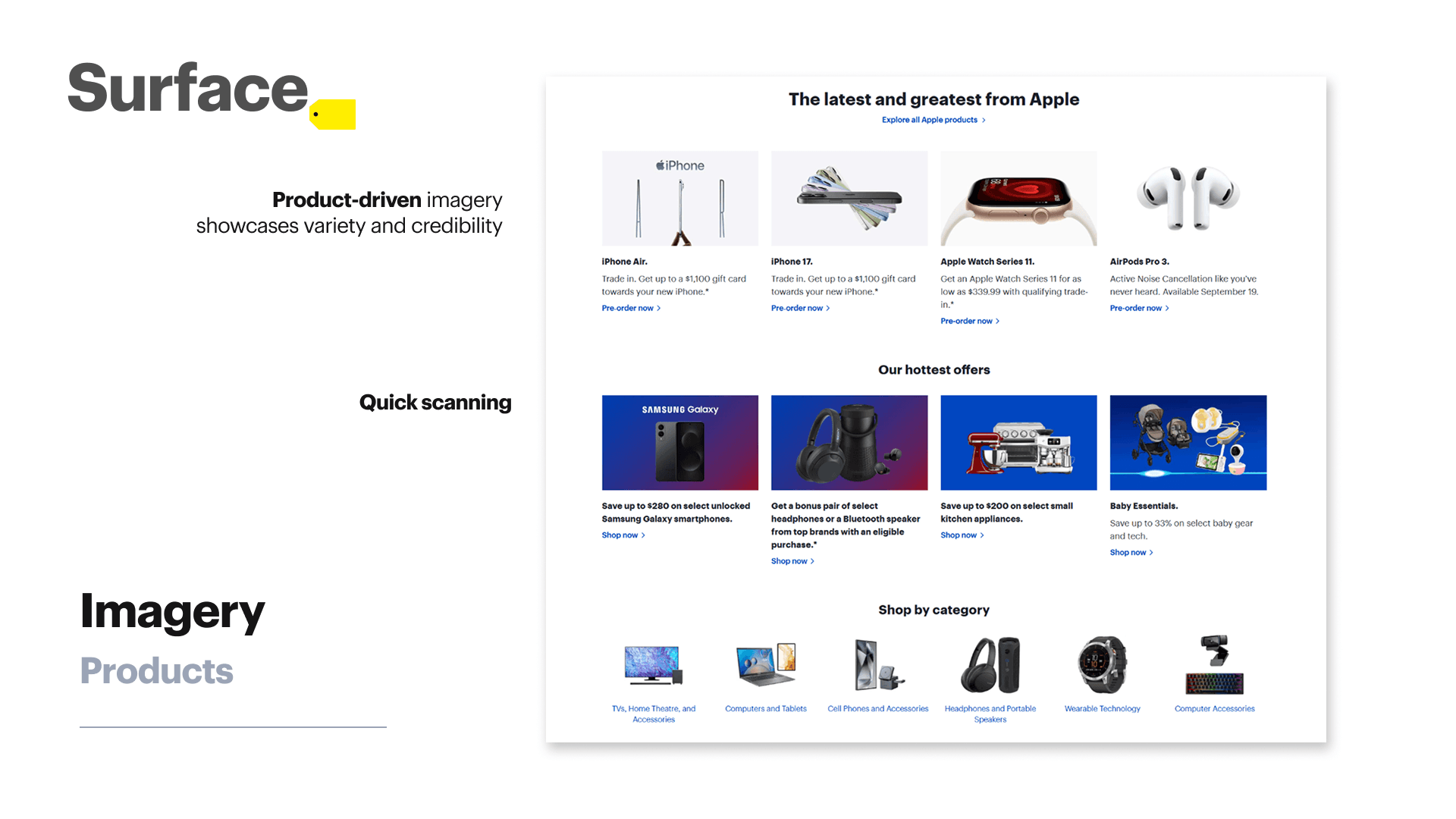
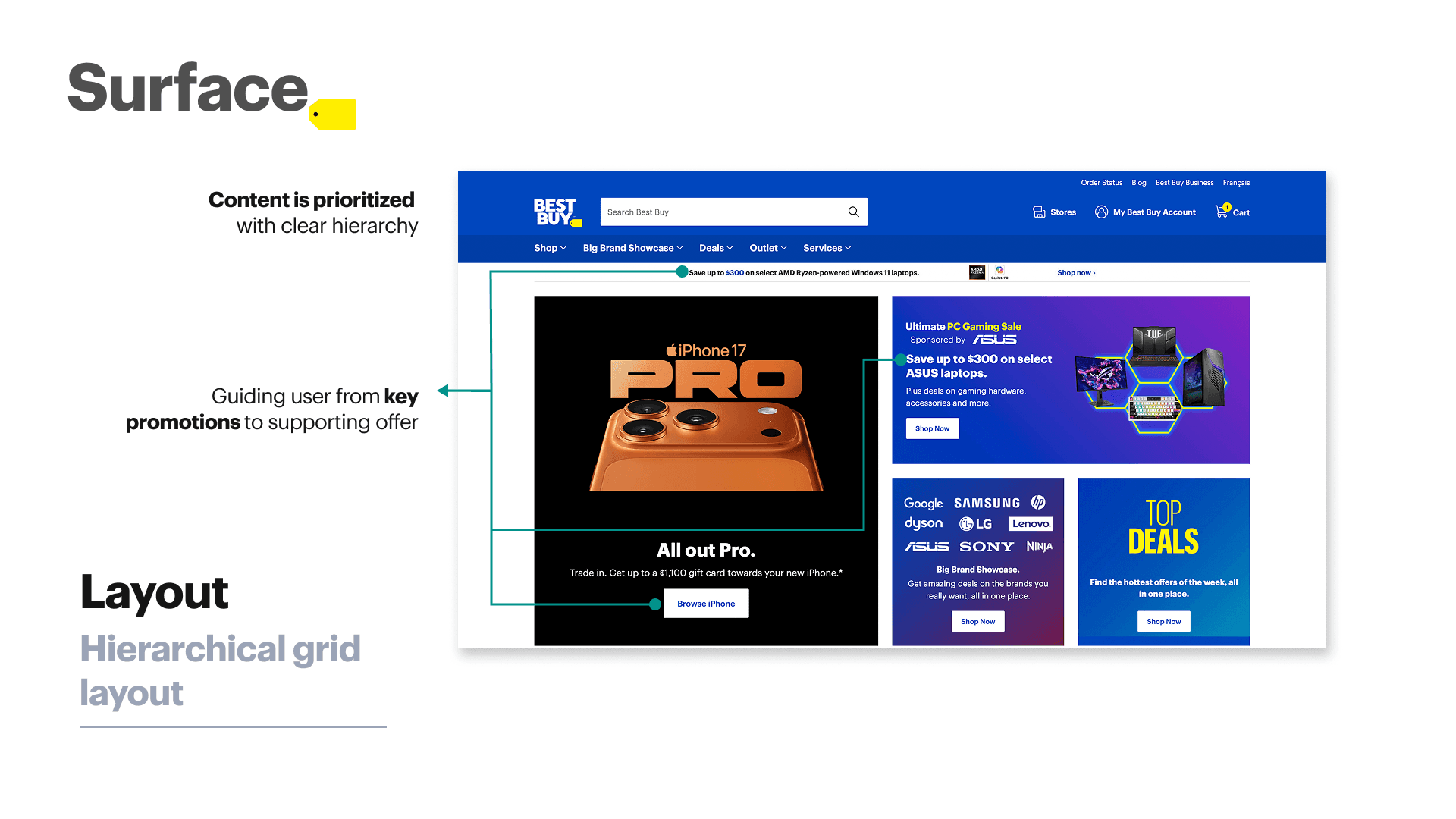
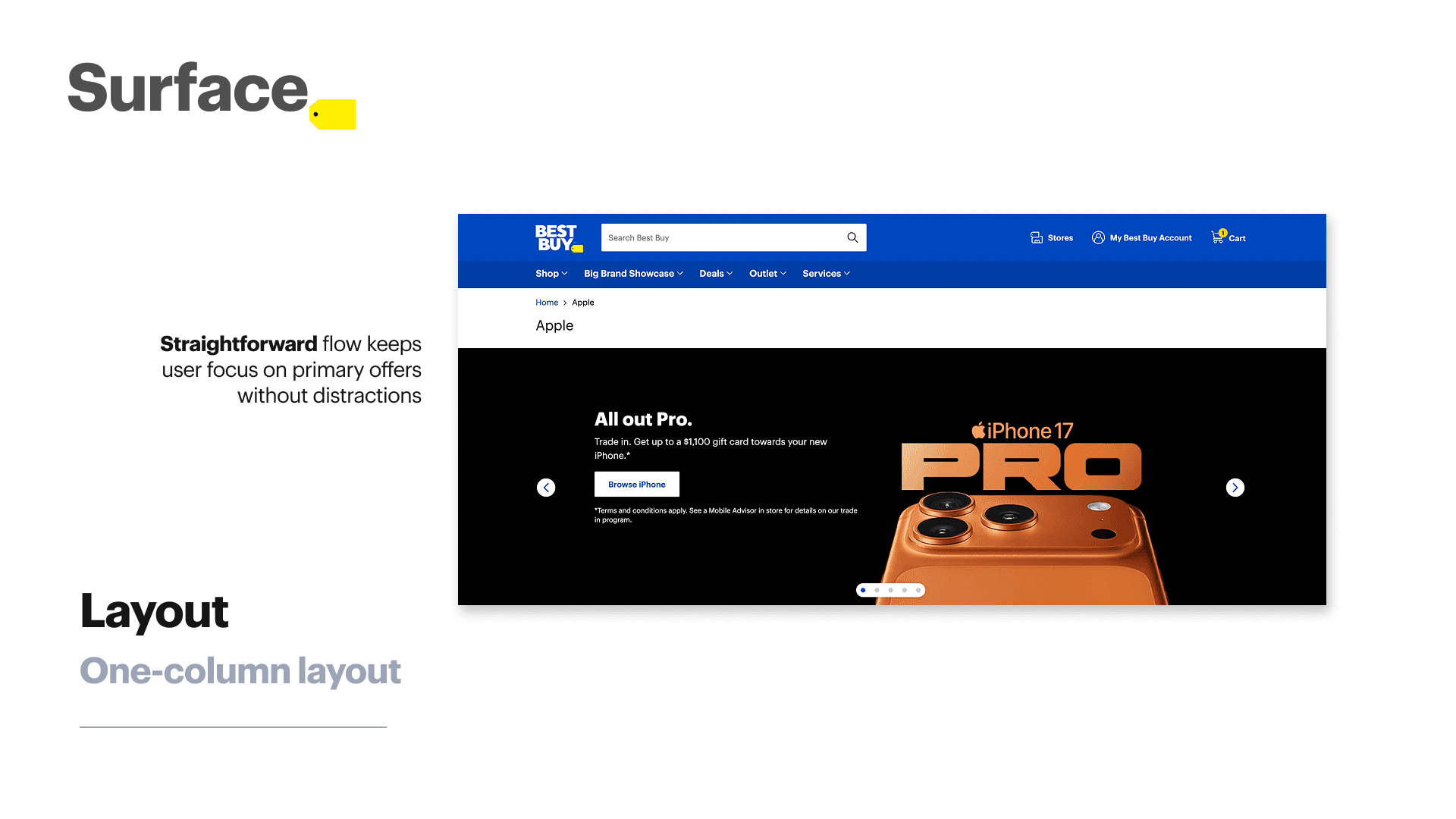
▸ Finding 1 — Strong product-driven surface design
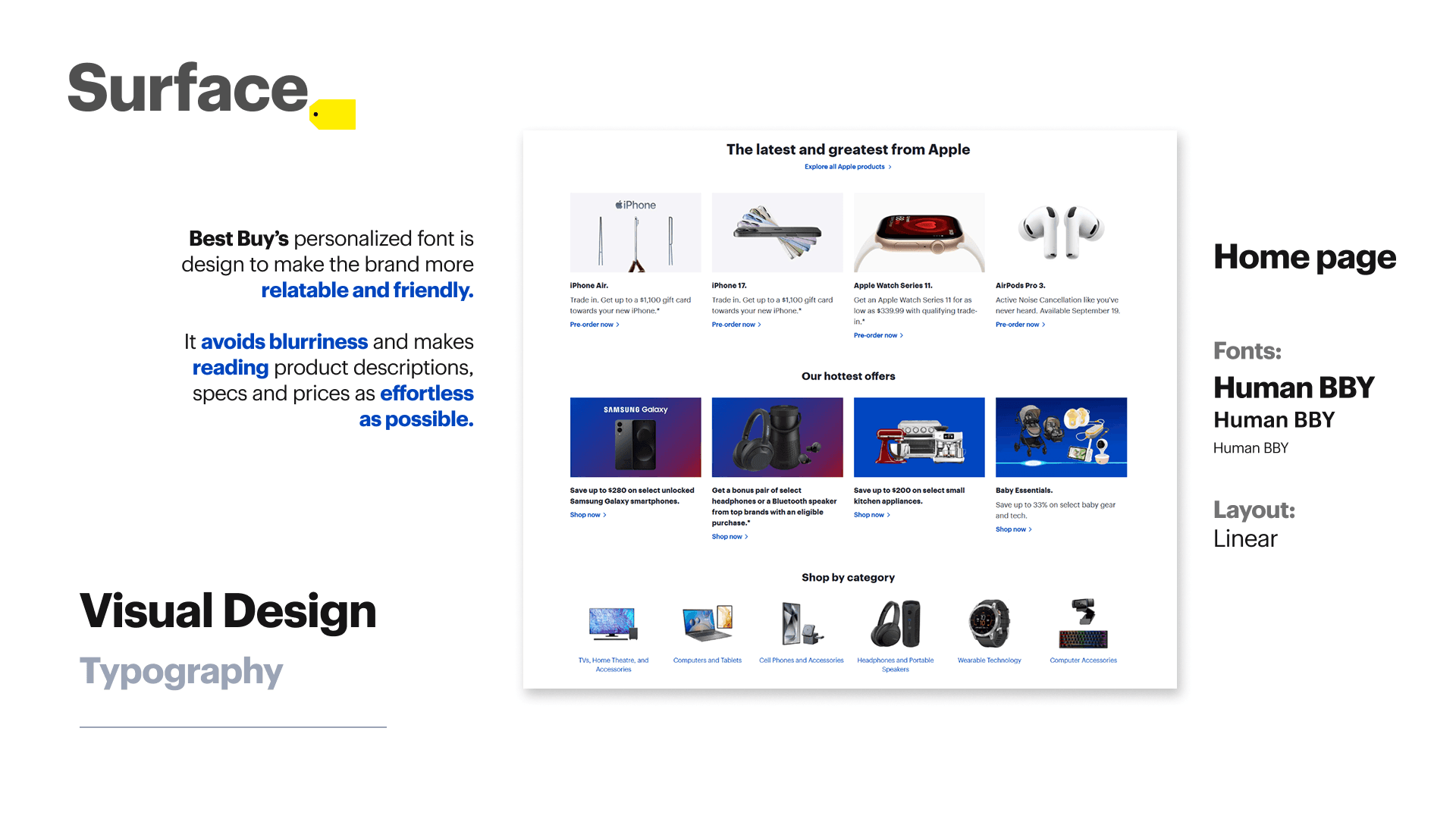
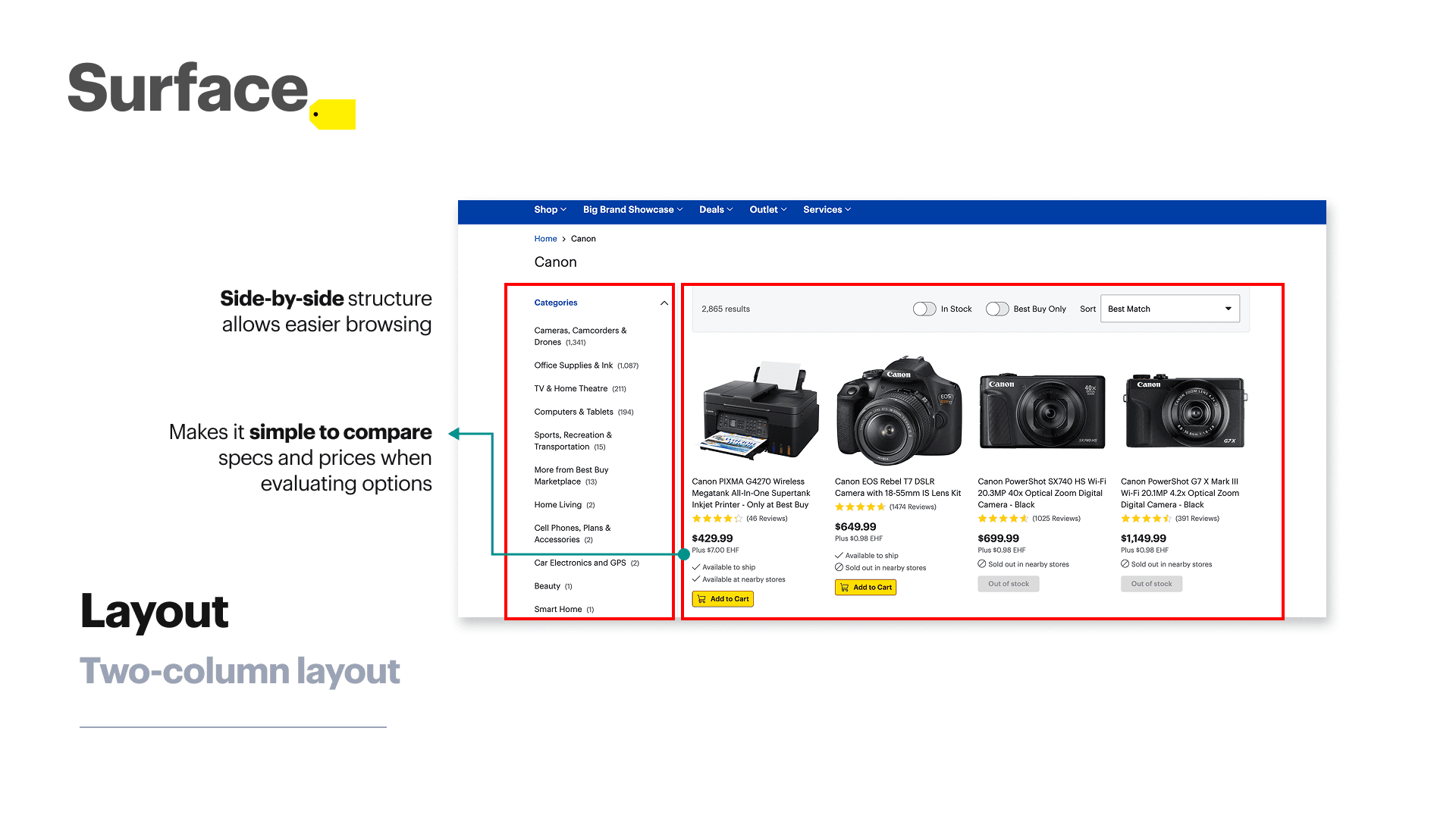
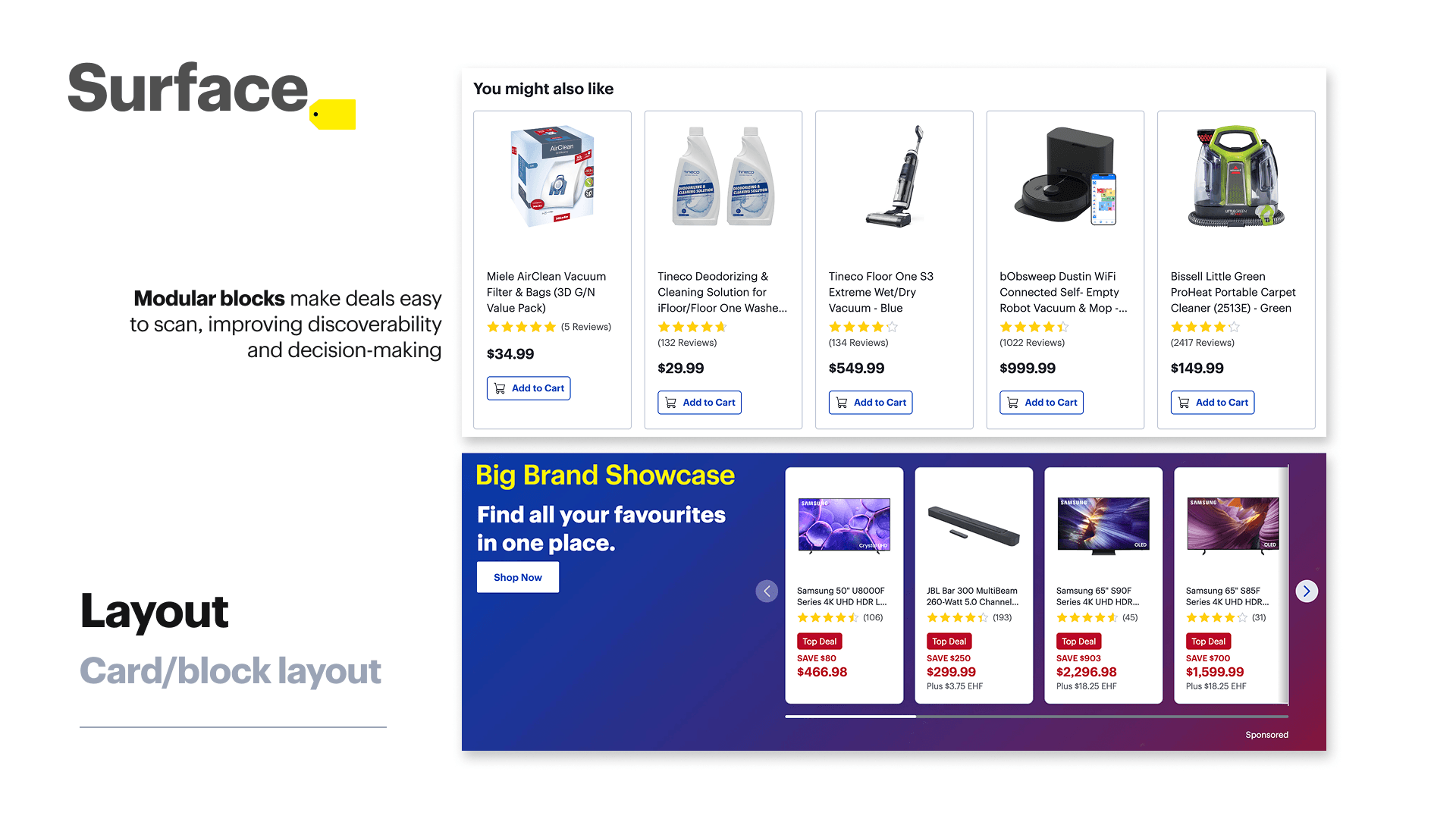
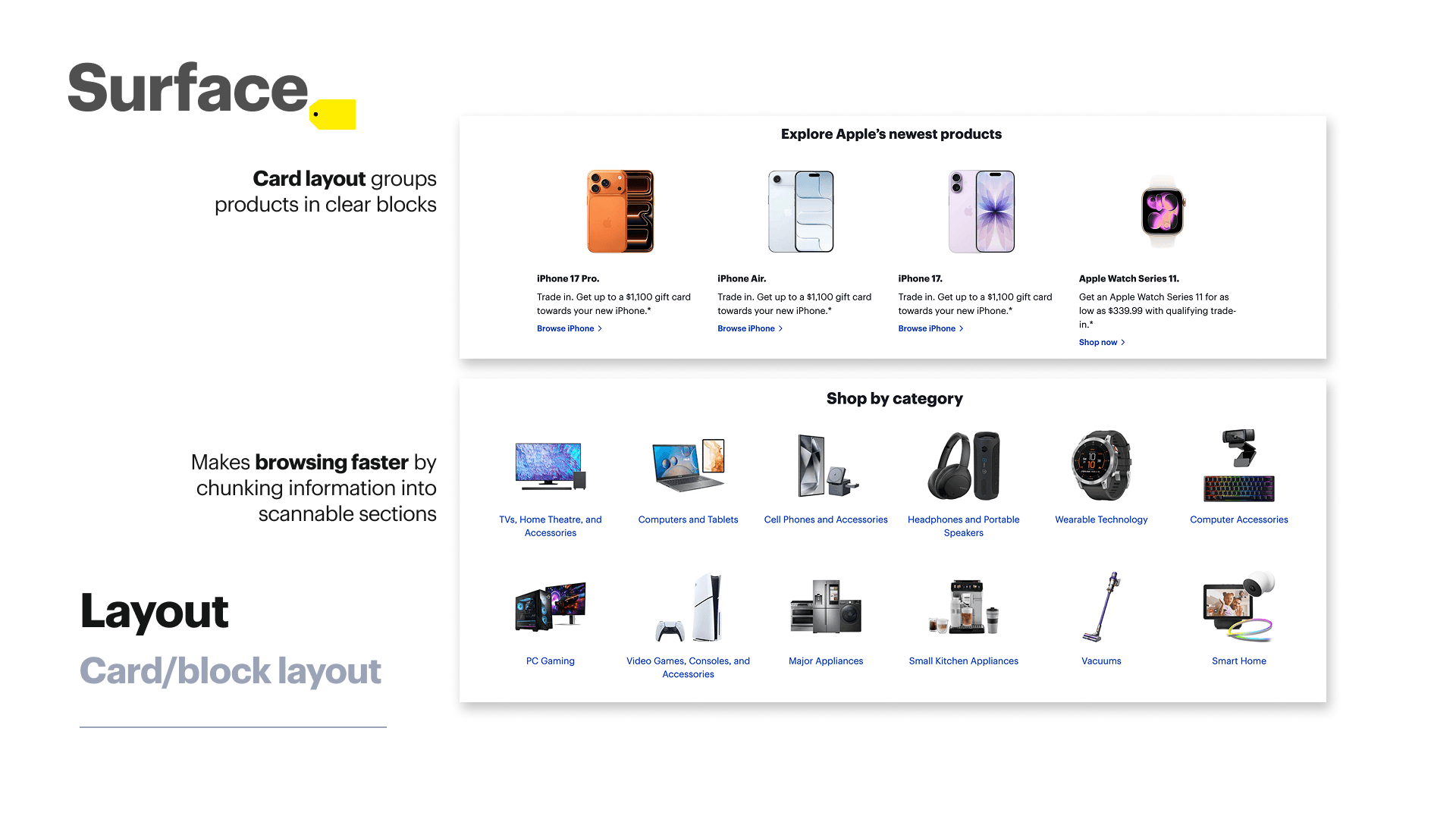
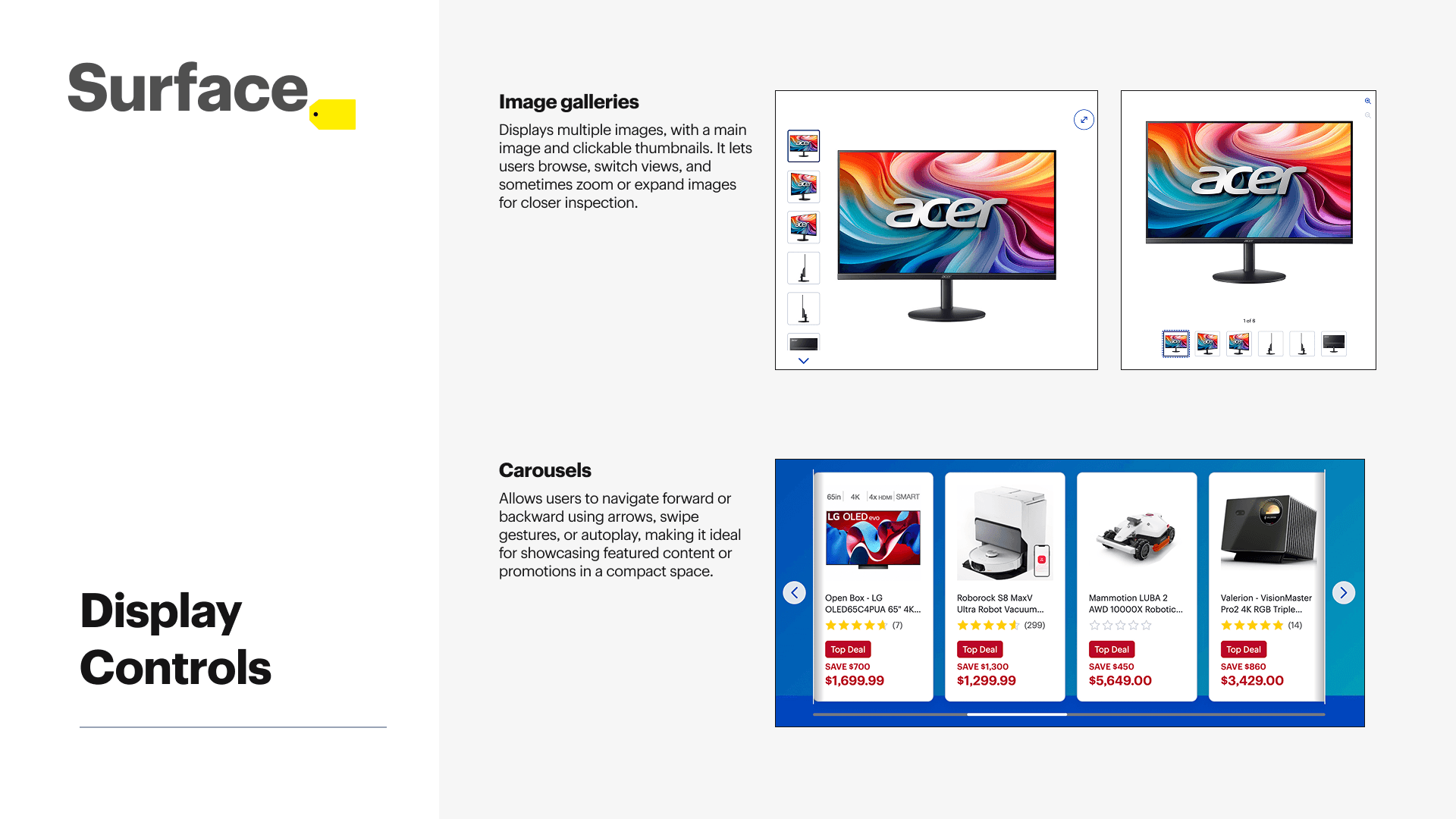
• Best Buy’s homepage relies heavily on product imagery, promotions, and recognizable brand visuals. This supports quick scanning and reinforces credibility.
▸ Finding 2 — Complex flows during sign-in and checkout
• Account creation, password recovery, and checkout flows introduce branching paths that increase cognitive load—especially for first-time or returning users.
▸ Finding 3 — Policy and delivery reassurance comes late
• Information about refurbished products, delivery timelines, and returns is present but often surfaced after users have already invested effort in comparison.
Structure & Information Architecture
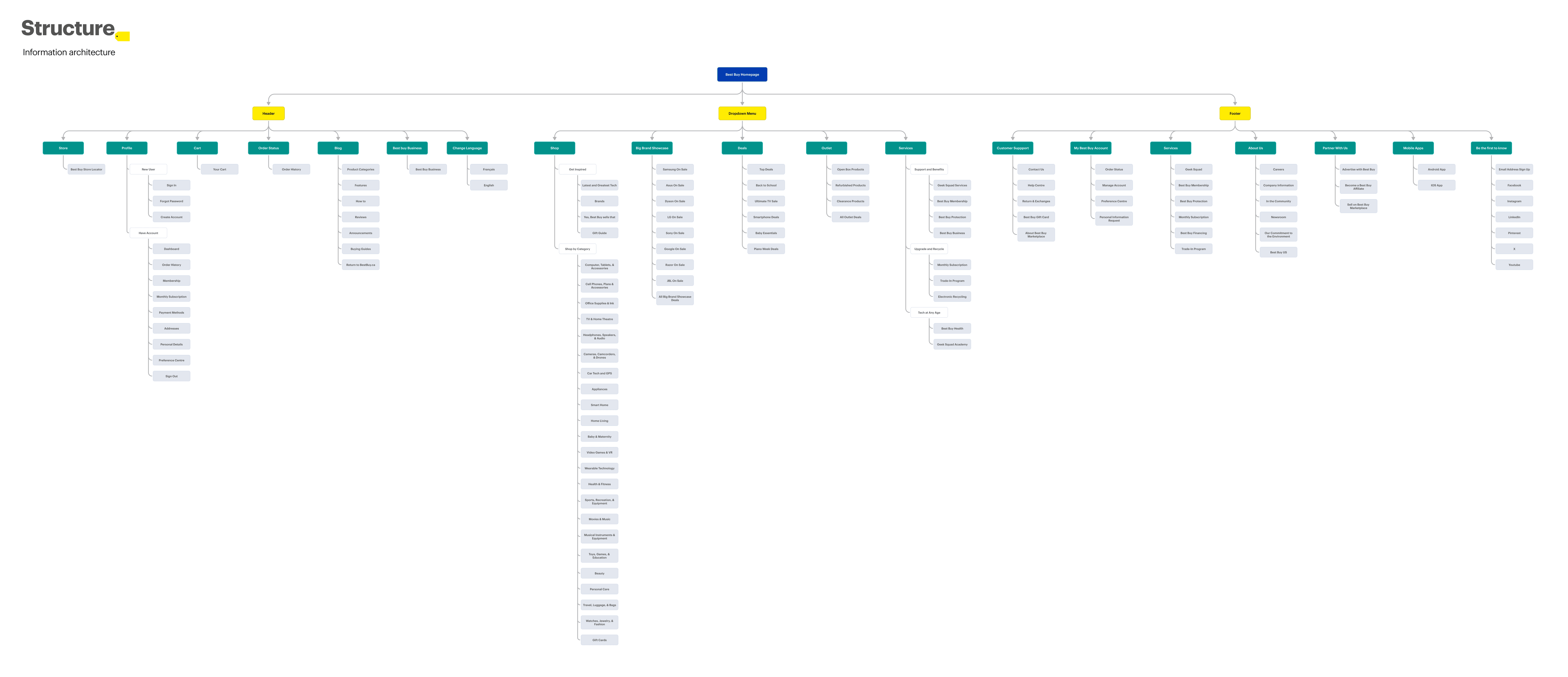
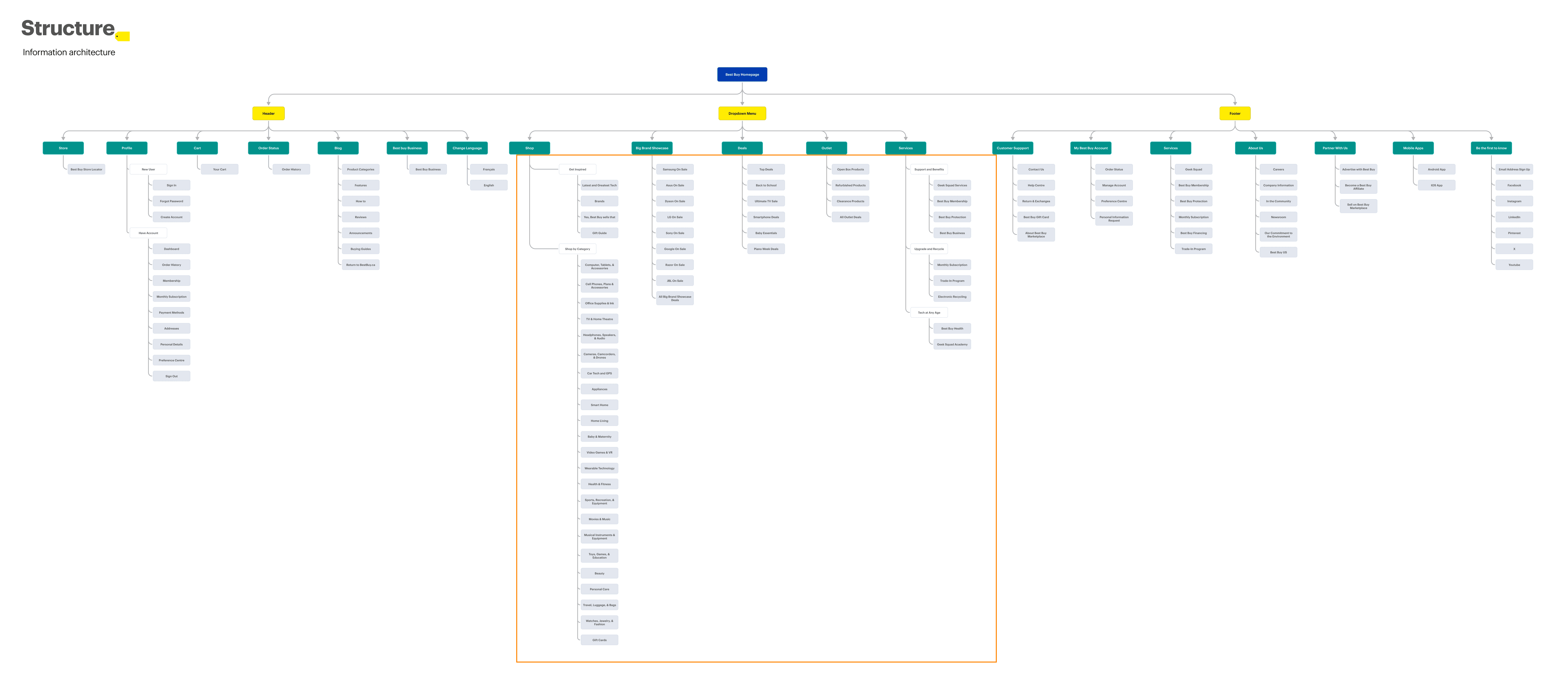
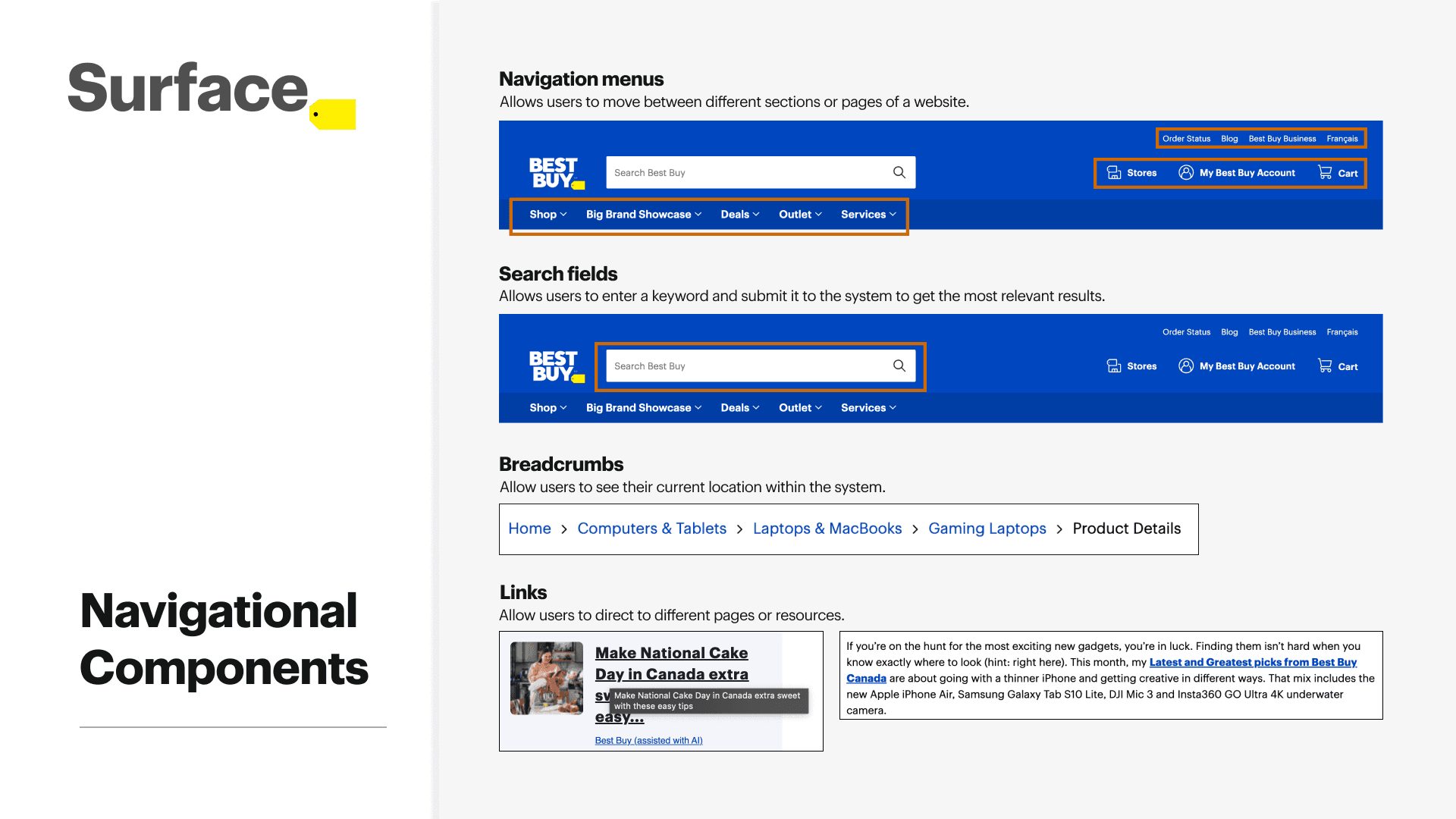
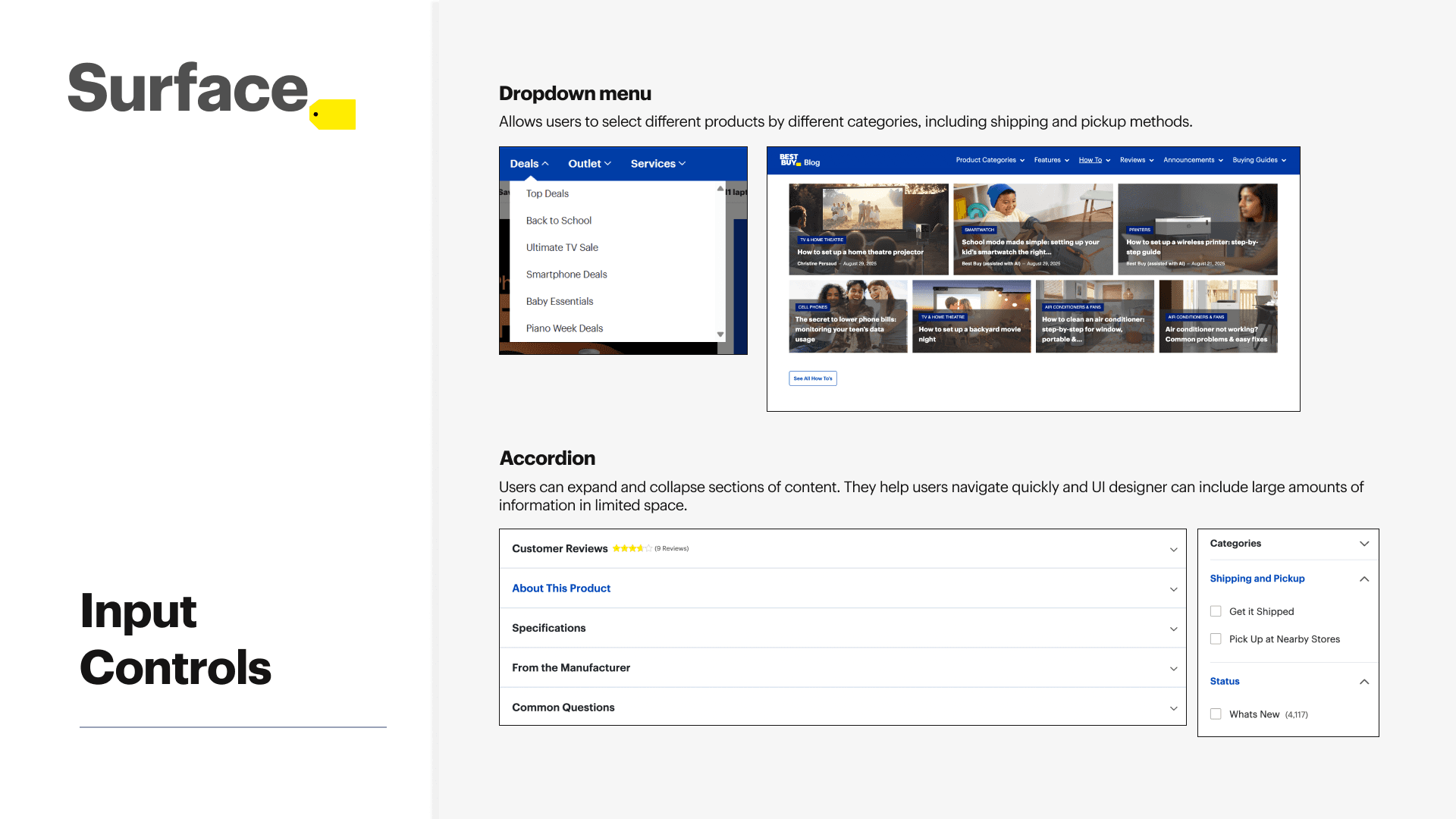
The information architecture is comprehensive and well-organized, supporting a wide range of products and services. However, deep nesting and long category paths can slow decision-making, especially for users with a narrow goal.
What works
▸ Clear top-level categories
▸ Consistent labeling
▸ Strong separation between shopping and support
What struggles
▸ Overwhelming depth in category trees
▸ Limited progressive disclosure for novice users
Visual Design & Trust Signals
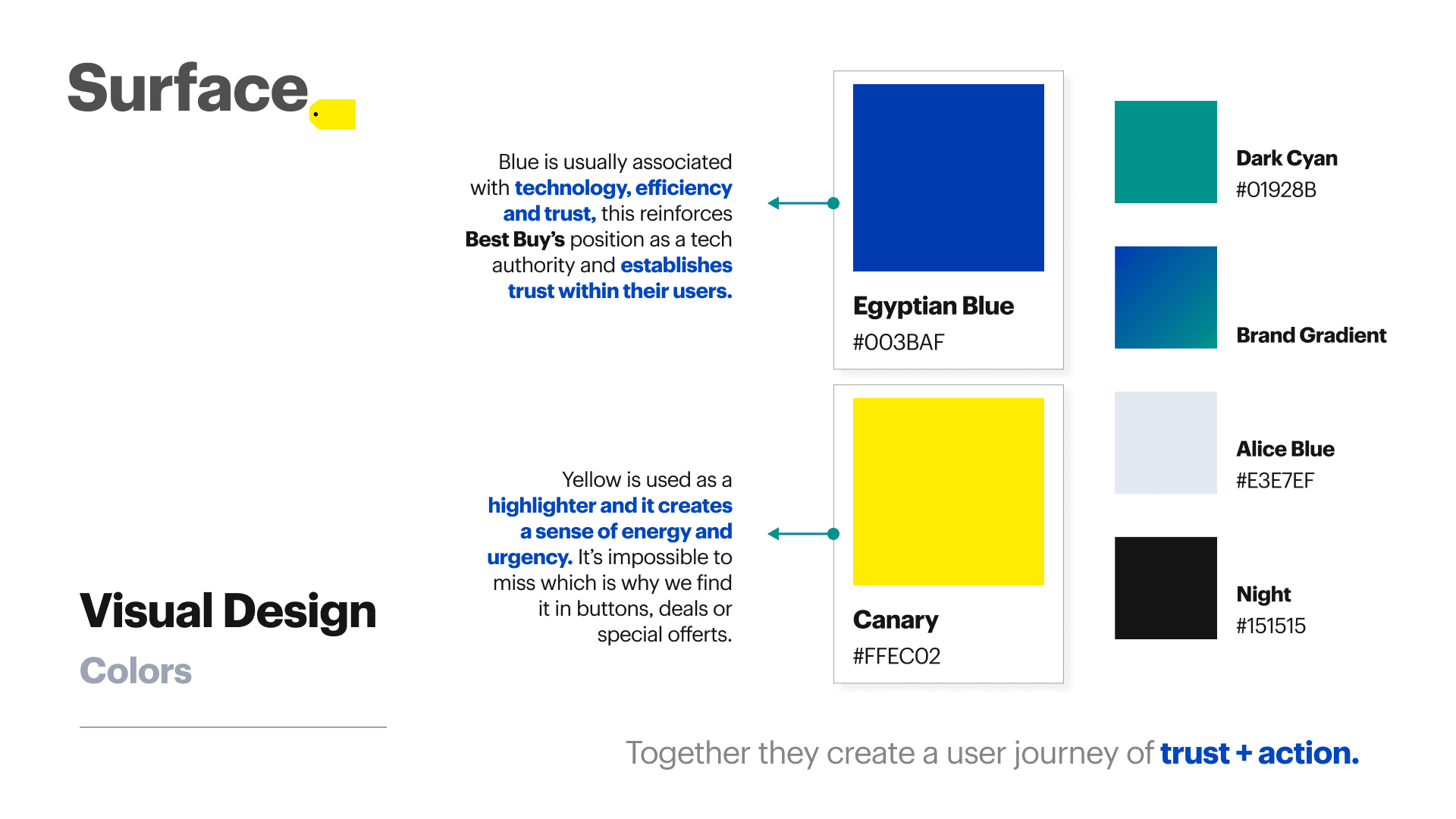
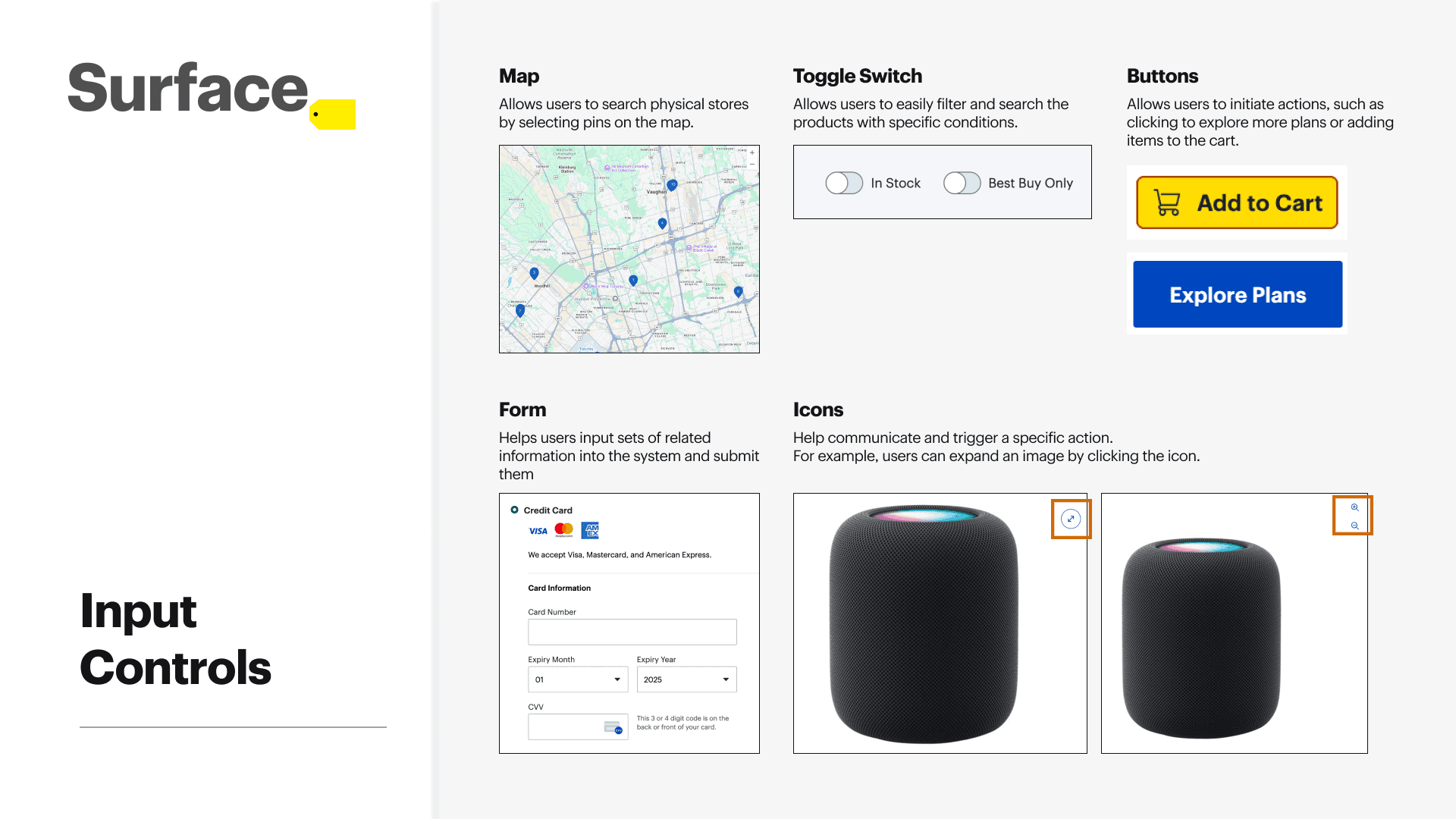
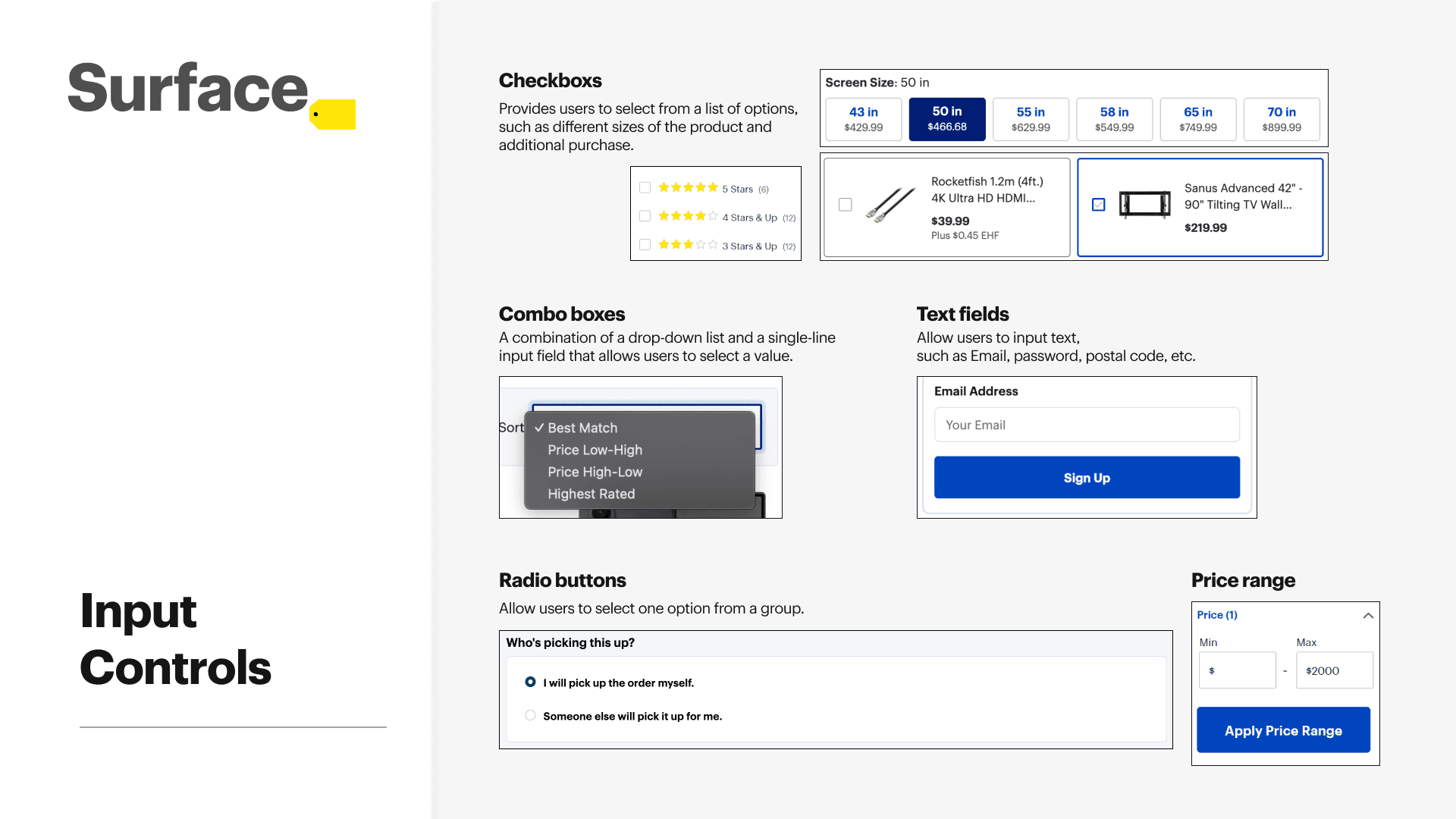
▸ Best Buy’s visual system uses blue as a dominant color to convey trust, technology, and authority. Yellow accents function as high-visibility action triggers, especially in pricing and promotions.
▸ Together, these choices guide users toward confident action while maintaining brand recognition.
Opportunities & Recommendations
▸ Introduce clearer “What’s included” summaries for refurbished products
▸ Surface delivery and return information earlier in comparison views
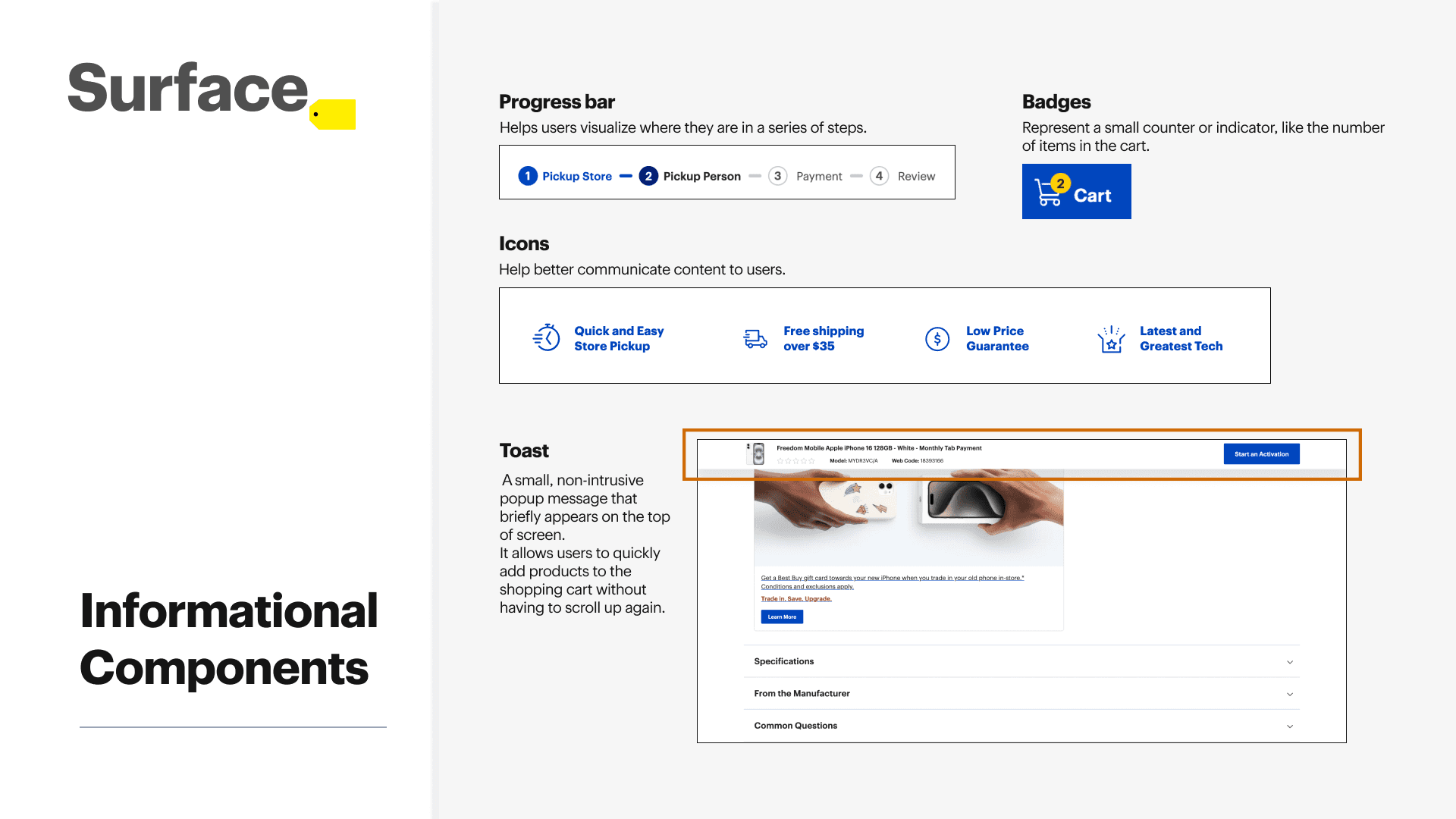
▸ Reduce perceived checkout complexity through clearer progress feedback
Reflection
▸ This analysis reinforced that trust isn’t created by a single screen or policy. It’s built through consistent clarity, predictable structure, and timely reassurance across the entire journey.
▸ Designing for high-value purchases means reducing uncertainty before users feel it.